Newborn basics · Part 2 of 6
Burping and Spit-Up
Burps, hiccups, and little dribbles of spit-up are all part of the newborn package, and almost all of it is completely normal. Babies swallow air while they eat, and letting it back out keeps everyone more comfortable. Here is what the American Academy of Pediatrics (AAP) says about when and how to burp, what spit-up is telling you, and the few signs worth a call to your pediatrician.
01When to burp
- The AAP suggests burping at natural pauses: if your baby is bottle-feeding, burp them after every 2 to 3 ounces (60 to 90 ml); if nursing, burp them when they switch breasts. Source: HealthyChildren.org (AAP)
- Burp your baby during, as well as after, each feeding — it keeps swallowed air from building up into gas. Source: HealthyChildren.org (AAP)
- No burp after several minutes? Just continue the feeding and do not worry — no baby burps every time. Source: HealthyChildren.org (AAP)
02The three burping positions
- Over the shoulder: hold your baby upright with their head resting on your shoulder, supporting their head and back with one hand while you gently pat their back with the other. Source: HealthyChildren.org (AAP)
- Sitting on your lap: sit your baby upright on your lap, supporting their chest and head with one hand while patting their back with the other. Source: HealthyChildren.org (AAP)
- Face-down across your lap: lay your baby on your lap, back up, supporting their head so it stays higher than their chest, and gently pat or rub their back. Source: HealthyChildren.org (AAP)
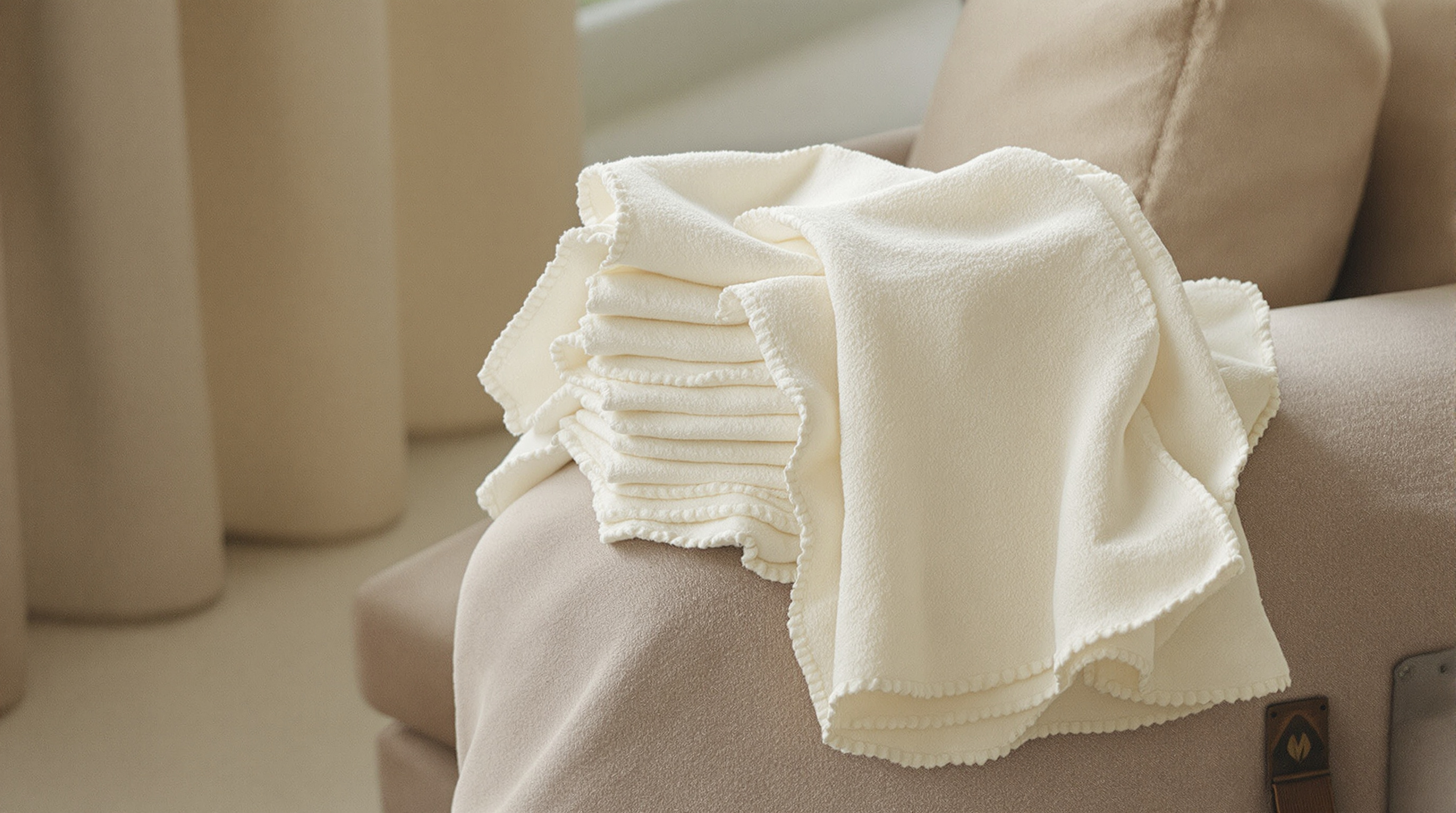
- Drape a cloth over your shoulder or lap before you start — burps often arrive with a little milk, and it saves an outfit change for both of you. Practical suggestion
03Spit-up: what is normal, what is not
- Spitting up is common in infancy and usually no cause for concern. The AAP notes it almost never involves choking, coughing, discomfort, or danger to your baby. Source: HealthyChildren.org (AAP)
- Why it happens: babies typically spit up after gulping some air along with breast milk or formula, and a newborn's stomach is simply small. It grows less frequent and stops as your baby's muscles mature — it often just takes time. Source: HealthyChildren.org (AAP)
- To reduce spit-up, the AAP suggests feeding smaller amounts more frequently rather than filling the stomach quickly, and burping not only after but also during meals. Source: HealthyChildren.org (AAP)
-
Call your pediatrician if your baby vomits forcefully after every feeding (vomit that shoots out with force, sometimes called projectile vomiting), or if there is ever blood in your baby's spit-up or vomit.
These are the AAP's specific flags — everyday dribbly spit-up is a different, normal thing.
Source: HealthyChildren.org (AAP)
04Keep baby upright after feeds
- When the feeding is done, the AAP suggests burping your baby once more and keeping them in an upright position for 10 to 15 minutes so they do not spit up. Source: HealthyChildren.org (AAP)
- If your baby spits up often, the AAP also suggests limiting active play right after meals and holding your baby upright for a calm 20 to 30 minutes. Source: HealthyChildren.org (AAP)
05Gas and hiccups basics
- Where gas comes from: in breastfed babies, something in the nursing parent's diet may play a role; in bottle-fed babies, air bubbles from mixing or shaking formula — and the bottle and nipple style — can add swallowed air. Source: HealthyChildren.org (AAP)
- Bicycle legs: lay your baby flat on their back and gently move their legs in a bicycling motion — it works like a little massage that can help gas move along. Source: HealthyChildren.org (AAP)
- Tummy time, while your baby is awake and supervised, puts gentle pressure on the belly that can help gas on its way out. Source: HealthyChildren.org (AAP)
-
For bottle-fed babies, the AAP mentions letting freshly mixed powdered formula settle before feeding, and trying different bottle or nipple styles — such as vented, angled, or collapsible designs — to reduce swallowed air.
These are categories to explore, not specific products; no one style works for every baby.
Source: HealthyChildren.org (AAP) - Hiccups mid-feed? The AAP suggests changing your baby's position, trying to burp them, or helping them relax, then waiting 5 to 10 minutes before resuming. Feeding your baby when they are calm — before they are extremely hungry — can help prevent hiccups in the first place. Source: HealthyChildren.org (AAP)
- If gas seems to really bother your baby, bring it up with your pediatrician — that is exactly what checkups are for. Source: HealthyChildren.org (AAP)
From the gear guide
- Graco SnugRide Lite Infant Car Seat Base — our pick in infant car seats
- Baby Trend Snap N Go EX — our pick in infant car seats
- Goodbaby No-Touch Thermometer — our pick in thermometers
- VTech VM819 Video Baby Monitor — our pick in baby monitors