
The journal · Hiring help
Postpartum Doula: What They Actually Do, What They Cost, and How to Find One
In short
A postpartum doula is a trained, non-medical professional who comes to your home in the first days and weeks after birth and helps with the whole picture — feeding, sleep, soothing, meals, laundry, and answering the small questions that pile up at 2 a.m. They are not a night nurse, a lactation consultant, or a medical provider; they do not diagnose or treat anything. Most families hire one for a few visits a week over the first weeks. Cost varies by market, and a growing number of states now cover doula visits through Medicaid.
There is a moment somewhere in the first two weeks with a new baby when it hits you: nobody is coming. The hospital sent you home, family visits ended, and the actual work of the first few months is now yours — the feeds, the laundry, the middle-of-the-night questions about whether that is a normal amount of spit-up. A postpartum doula is the person you can hire so that, for a few hours a day or a few nights a week, someone IS coming.
This is a specific job with a specific scope. It is not a nanny, not a night nurse, not a lactation consultant, and not a doctor. Here is what a postpartum doula actually does, what one costs, what they are not allowed to do, what the research says, and how to find one — with everything traced to the professional and clinical sources that define the role.
01What a postpartum doula is
The Cleveland Clinic describes a doula as "a trained professional who supports you before, during and after you've had a baby," and notes that "doulas don't deliver healthcare services, but they do offer physical and emotional support during pregnancy and the postpartum period." A postpartum doula is the after-birth version of that role — the person who arrives once the baby is home.
Postpartum Support International describes a postpartum doula as someone who "provide[s] families information and support on infant feeding, emotional and physical recovery from childbirth, infant soothing, and coping skills for new parents." American Pregnancy Association puts the same idea slightly differently: a postpartum doula's job is to "mother the mother" and "nurture the entire family as they transition into life with a newborn."
The important word in both definitions is family — a postpartum doula supports the parents at least as much as the baby. That is the honest difference between this role and, say, a baby nurse or a newborn care specialist, whose focus is the baby. If you already know you want overnight care aimed only at the newborn, the sibling role is a separate one — our post on night nanny vs. newborn care specialist vs. postpartum doula walks through which one fits which family.
02What they actually do in your house
Postpartum doula work is quiet and practical. On a typical visit — a few hours during the day or a longer stretch overnight — the doula picks up whatever is most on fire and does it, so the parents can eat, sleep, or hold the baby without also folding laundry.
What a postpartum doula typically does
- Feeding support. PSI lists "infant feeding" as one of the core areas. That means help with breastfeeding position and latch, help mixing and pacing bottle feeds, and answering the endless small "is this normal?" questions between pediatrician visits. They are not a certified lactation consultant, so a real supply or latch problem gets referred out.
- Newborn care coaching. The Cleveland Clinic notes they will "help take care of your baby" and "advise you and the other caregivers in the household on how to care for the new baby." Diapering, bathing, swaddling, cord care, soothing a fussy baby at 3 a.m. — done alongside you the first few times, so you can do it on your own the fourth.
- Physical and emotional recovery. Postpartum bleeding, sore stitches, breast pain, the whiplash mood shifts of the first two weeks — a doula is trained to notice when something is normal and when it is worth calling your provider about. PSI notes doulas receive "training about emotions and mental health, and in many communities they can help birthing individuals find additional resources for mental health needs."
- Meals and light household work. Cleveland Clinic lists "help with housework, like laundry and preparing meals" as part of the role. PSI adds that a doula "might also help with light housework, fix a meal and help incorporate an older child into this new experience." This is not a house cleaner — it is the load-bearing 45 minutes that means dinner exists and clean burp cloths exist.
- Sibling support. American Pregnancy Association explicitly lists "sibling care" — playing with a toddler while you nap, walking an older child to the park while the baby sleeps.
- Sleep support for the parents. Overnight doulas take the baby between feeds so you can string together a real sleep stretch. During the day, they will hold the baby so you can shower or nap without the monitor.
- Referrals. For anything that goes past their training — a supply problem, a mood that is starting to worry you, a physical recovery question — a good doula has the names of the local lactation consultants, pelvic floor PTs, and mental health providers you would otherwise have to Google at midnight.
03What they don't do
This is the part that matters, because the boundary is what keeps the job safe. Cleveland Clinic Health Essentials puts it flatly: "Doulas don't offer medical advice or care." A postpartum doula does not diagnose anything. They do not prescribe. They do not perform newborn exams, take vitals, or make clinical decisions about you or the baby. If the answer to a question is "call your OB" or "call the pediatrician," a good doula tells you that quickly and then helps you make the call.
That is not a limitation of the role, it is the shape of it. Your pediatrician handles medical questions about the baby. Your OB or midwife handles medical questions about you. A certified lactation consultant (an IBCLC) is who you page for a stuck latch or a supply worry. A postpartum doula sits alongside all of them and does the practical, in-the-house work that none of them do — and knows when to hand something off.
04What the evidence actually shows
Doula research has historically focused on birth doulas — the person present during labor — and there the evidence is strongest. Support during labor is associated with shorter labor, fewer cesareans, higher breastfeeding initiation, and higher satisfaction with the birth.
For postpartum doula support specifically, the evidence base is younger and smaller, but it is growing in the same direction. A large multi-state analysis of Medicaid claims found substantially lower odds of postpartum depression among people who had doula care — a finding that has helped drive the recent policy movement to reimburse doulas through Medicaid. Postpartum Support International also emphasizes that doulas receive training on emotions and mental health and can help connect families to additional mental health resources when needed. The honest short version: a postpartum doula is not a treatment for postpartum depression, but they are one of the people best positioned to notice it early and get you to someone who can help.
05What it costs
This is where honest numbers get hard, because prices vary widely by city, by whether the visits are daytime or overnight, and by how experienced the doula is. American Pregnancy Association puts hourly rates in the "$15-50 an hour" range, with a minimum booking of a certain number of hours; that is a floor in most markets today, and overnight rates and major metro rates run higher.
American Pregnancy Association also describes the typical shape of an engagement: most postpartum doulas work "anywhere from a few days up to a few weeks after bringing home a new baby," with families booking them "1-3 days a week or as many as 5 days a week," and many doulas offering nighttime services as well. In practice, the two most common patterns are (a) a few daytime visits a week for the first four to six weeks and (b) a stretch of overnight shifts for the first month or two, when broken sleep hits the hardest.
You may not be paying out of pocket
As of March 2026, 26 states and Washington, D.C. now cover doula services through Medicaid, and "at least 17 states provide Medicaid coverage for doula services through 12 months postpartum." State reimbursement for a postpartum visit is often around $100-$215 (Connecticut, for example, covers "up to four prenatal or postpartum visits at $100 per visit"; Oregon covers additional visits at $215 each). If you have Medicaid, ask your plan whether doula services are covered — a lot of families qualify and never find out.
06How to find a good one
There is no single national directory, so most families reach out through two or three channels at once and take the first doula who is both trained and available.
- Ask your hospital or birth center. Many hospitals now run or partner with doula programs — PSI suggests contacting "your local birth centers, hospitals or state Public Health Department to find out if there is a community doula program in your city," and notes that many programs offer services "for no fee or at low cost."
- Ask your OB, midwife, or pediatrician. They usually know the doulas in your area who show up on time, communicate well, and hand things off cleanly.
- Search the certifying-body directories. The largest is DONA International, which certifies postpartum doulas separately from birth doulas; ProDoula, CAPPA, and Cornerstone Doula Trainings also maintain directories. A certification tells you the doula has passed a training program and agreed to a scope of practice — it does not, on its own, tell you fit.
- Ask about the specific stuff you care about. How many families they have supported in the first weeks postpartum; whether they take day shifts, overnights, or both; how they handle feeding questions and when they refer to an IBCLC; how they think about safe sleep (back to sleep, alone, in a bare bassinet or crib — every single time); what their backup plan is if they get sick.
- Talk to more than one. Even a great doula is not the right match for every family. The person who will be in your house at 3 a.m. is a person you want to actually like.
07When to start looking
Late in pregnancy is standard — most families reach out in the second or third trimester so the doula can meet you before birth and hold the postpartum weeks on their calendar. Good ones book up early, especially the overnight ones. That said, plenty of families reach out only after the baby is home and the reality has landed; it is worth calling even then, because gaps open up. Our third trimester checklist has this on the list, along with the other hires most families are glad they made ahead of time.
08Is a postpartum doula actually for you?
It is worth being honest that not every family needs one. If you have a partner who can take real time off, family nearby who will genuinely help (as opposed to visit), and no medical complications for you or the baby, you may get through the first weeks fine without hiring one. If any of those things are missing — a solo parent, a partner back at work in two weeks, no local family, a c-section recovery, twins, a preemie, a previous postpartum mood issue, a toddler underfoot — a postpartum doula is one of the highest-leverage things you can buy in the first month.
The whole point of the fourth trimester is that it is a real recovery period, not just "the part after you leave the hospital." A doula is one way to buy yourself the sleep, meals, and calm that make that recovery possible.
This is general information, not medical advice
A postpartum doula does not replace your OB, midwife, or pediatrician, and this article does not either. If you are worried about your bleeding, your recovery, your baby's feeding or breathing, or your own mood, call your provider. The National Maternal Mental Health Hotline is free, confidential, and staffed 24/7 in English and Spanish at 1-833-943-5746, and Postpartum Support International runs a HelpLine at 1-800-944-4773.
09The bigger picture
In most other rich countries, some version of a postpartum visitor is a normal part of the health system — a nurse or midwife who comes to your house in the first two weeks to check on you and the baby, weigh the baby, and answer questions. The United States does not do that, so families who want it have to hire it. A postpartum doula is that hire. If any of this resonates and you are still pregnant, our free week-by-week planner walks you through the specific prep — including this decision — in the weeks it makes sense to make it.
Questions parents actually ask
What does a postpartum doula do?
A postpartum doula is a trained, non-medical professional who supports a family in the first days and weeks after birth. Postpartum Support International describes the role as providing "information and support on infant feeding, emotional and physical recovery from childbirth, infant soothing, and coping skills for new parents." In practice that means feeding help, newborn care coaching, sleep support, light meals and laundry, and referrals when a question needs a doctor or a lactation consultant.
How is a postpartum doula different from a night nurse or a baby nurse?
A postpartum doula supports the whole family — American Pregnancy Association describes the goal as to "mother the mother" and "nurture the entire family as they transition into life with a newborn." A baby nurse or newborn care specialist focuses on the baby. Postpartum doulas are non-medical; some baby nurses are RNs and some are not. If you specifically want overnight care aimed at the baby so you can sleep, that is closer to a night nurse or newborn care specialist role than a doula role.
How much does a postpartum doula cost?
It varies widely by market and by whether the visits are daytime or overnight. American Pregnancy Association gives a general range of "$15-50 an hour" with a minimum number of hours per booking, and notes that many doulas offer overnight services as well; in major metros and for overnight care, actual rates today usually sit at the top of that range or above. Ask three doulas in your area for their current rates and package minimums before you assume a number.
Does insurance or Medicaid cover a postpartum doula?
Increasingly, yes — for people on Medicaid. NASHP reports that as of March 2026, 26 states and Washington, D.C. cover doula services under Medicaid, and at least 17 of those cover doula visits through 12 months postpartum. Private insurance coverage exists but is still uncommon. If you have Medicaid, ask your plan directly.
When should I hire a postpartum doula?
Late pregnancy is standard — reach out in the second or third trimester so the doula can meet you before birth and hold your weeks on their calendar. American Pregnancy Association describes most engagements as "a few days up to a few weeks after bringing home a new baby," with families booking "1-3 days a week or as many as 5 days a week." Overnight-focused doulas often book up earliest.
Do postpartum doulas help with breastfeeding?
Yes, at the everyday, in-the-house level — position, latch, timing, pacing, answering questions. A postpartum doula is not a certified lactation consultant (IBCLC), so a supply problem, a painful latch that is not improving, or a baby who is not gaining weight is something they will help you get in front of the right specialist for. That referral is part of the job.
Sources
- Cleveland Clinic — What Is a Doula? — Definition of a doula as "a trained professional who supports you before, during and after you've had a baby"; doulas do not deliver healthcare services but offer physical and emotional support; postpartum doulas help with housework like laundry and preparing meals, help take care of your baby, help teach breastfeeding, advise caregivers on newborn care, and coordinate household responsibilities.
- Cleveland Clinic Health Essentials — Doula vs. Midwife — Doulas do not offer medical advice or care; the postpartum doula role centers on advice on breastfeeding, meal preparation, and housework rather than clinical tasks; midwives (not doulas) provide postpartum medical checkups.
- Postpartum Support International — Birth and Postpartum Doulas — Postpartum doulas "provide families information and support on infant feeding, emotional and physical recovery from childbirth, infant soothing, and coping skills for new parents"; they may help with light housework, prepare meals, and help incorporate an older child; doulas receive training about emotions and mental health and can connect families to additional mental health resources; local birth centers, hospitals, and state Public Health Departments often run community doula programs at low or no cost; PSI HelpLine 1-800-944-4773.
- American Pregnancy Association — Postpartum Doula — Postpartum doulas provide evidence-based information on infant feeding, emotional and physical recovery from birth, mother-baby bonding, infant soothing, and basic newborn care; goal is to "mother the mother" and "nurture the entire family"; services include breastfeeding support, light housekeeping, running errands, newborn care, light meal prep, baby soothing, sibling care, and referrals; typical engagement is a few days up to a few weeks after birth, 1-3 (or up to 5) days a week; hourly rates typically range "$15-50 an hour" with a minimum booking; many offer nighttime services.
- National Academy for State Health Policy — State Trends in Medicaid Coverage of Doula Services — As of March 2026, 26 states and Washington, D.C. cover doula services under Medicaid; at least 17 states cover doula services through 12 months postpartum; labor and/or delivery doula reimbursement ranges roughly $459 to $1,500 across states; example postpartum-visit reimbursement includes Connecticut at up to four prenatal or postpartum visits at $100 per visit and Oregon at $215 per additional visit.
Newborn Weeks is planning help, not medical advice — always follow your own doctor, midwife, or pediatrician.
From the gear guide
- Ingenuity 3D Mini Convenience Stroller — our pick in travel strollers
- gb Pockit Air All-Terrain — our pick in travel strollers
- Baby Trend Snap N Go EX — our pick in infant car seats
- Bright Starts Disney Minnie Mouse Activity Jumper — our pick in bouncers & swings
Keep reading
 Postpartum · 12 min read
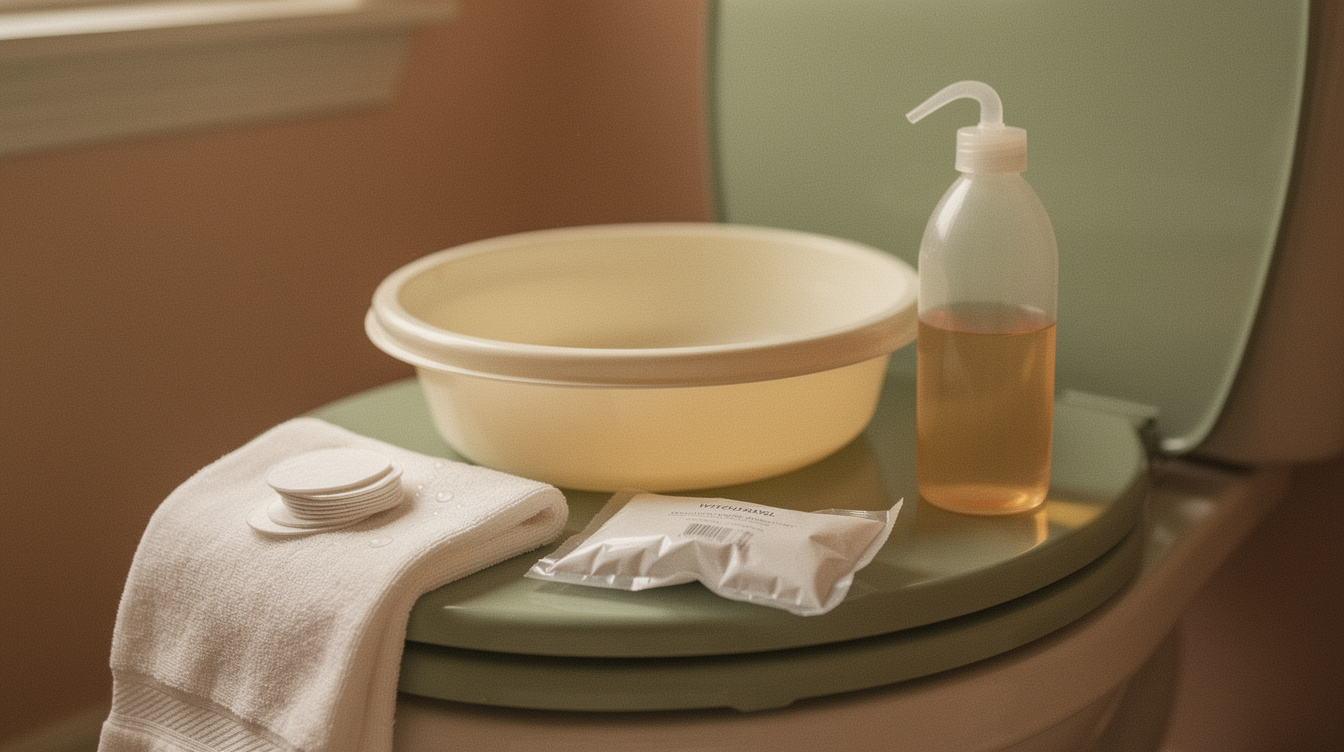
Perineal Care After Birth: How to Soothe Stitches and Soreness
Perineal care after birth, step by step: ice in the first day, a peri bottle, sitz baths, stitches that dissolve on their own, and when to call.
Read the article Pregnancy · 14 min read
Morning Sickness: When It Starts, What Actually Helps, and When to Call
Morning sickness usually starts around weeks 4 to 9 and eases by 12 to 16. What actually helps, what to skip, and the signs worth calling your provider about.
Read the article Newborn basics · 11 min read
How to Take a Baby's Temperature (and Which Number Actually Counts)
How to take a baby's temperature step by step: why rectal is the number doctors act on, what the armpit and forehead are good for, and the 100.4 rule.
Read the article